
Protecting Your Privacy on Social Media
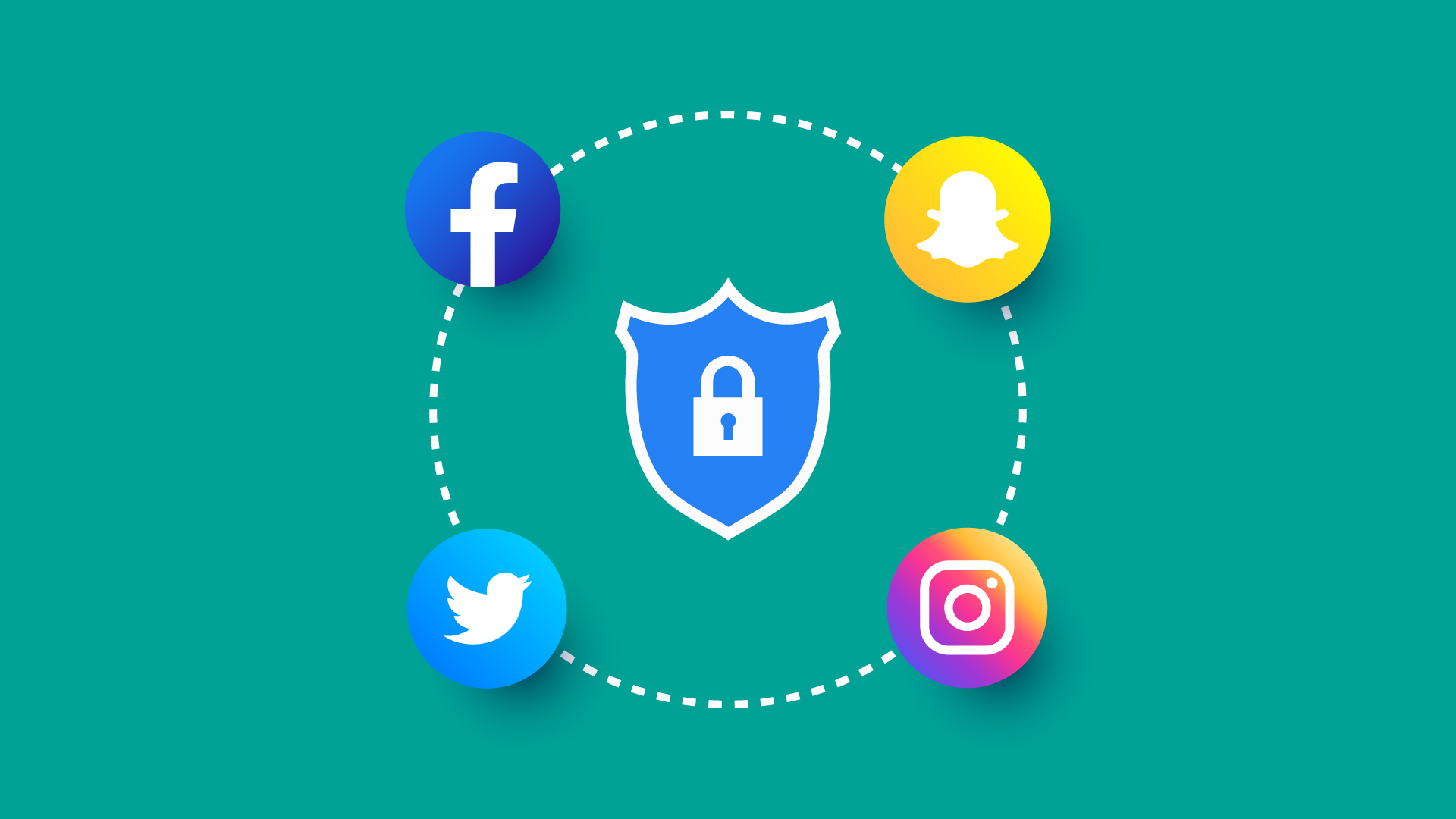
Social media platforms have become essential tools for communication, networking, and entertainment. However, the convenience of sharing personal updates and photos comes with significant privacy risks. Oversharing can expose sensitive data to malicious actors, advertisers, and even identity thieves.
Protecting privacy on social media requires a proactive approach: adjusting platform settings, cultivating safe habits, and understanding the ways data can be collected and misused.
Understanding Social Media Privacy Risks
Social media accounts can reveal far more than users realize. Common risks include:
- Data collection: Platforms track user behavior, interests, and connections, often sharing information with third-party advertisers.
- Identity theft: Publicly available personal details can be leveraged to impersonate users or access other accounts.
- Geolocation exposure: Photos, check-ins, and posts often reveal your location in real time.
- Social engineering attacks: Personal information can be used in phishing messages or scams targeting you or your contacts.

Review and Adjust Privacy Settings
Every platform provides settings to control who sees your content and how your data is used. Key recommendations include:
- Limit profile visibility to friends or trusted connections.
- Disable public access to posts, photos, and personal details such as email or phone number.
- Restrict apps and games from accessing your account unless necessary.
- Review third-party permissions and remove unnecessary integrations.
Periodic review is essential, as platform updates can reset or change default privacy settings.
Be Cautious About Sharing Personal Information
Even with strong privacy settings, oversharing can compromise safety. Avoid posting:
- Exact home addresses or phone numbers.
- Travel plans that reveal when you will be away from home.
- Financial information or links to accounts.
- Sensitive family or work details that could be exploited by attackers.
Consider delaying posts or sharing selectively to reduce the risk of exposure.

Use Strong Passwords and Enable Two-Factor Authentication
Accounts with weak passwords are easy targets for attackers. Use complex, unique passwords for each platform. A password manager can help create and store strong passwords safely.
Enabling Two-Factor Authentication (2FA) adds an additional layer of security, requiring a second verification factor, such as a code sent to your phone, when logging in.
Be Aware of Phishing and Suspicious Links
Social media platforms are frequent channels for phishing attacks. Fraudulent links can appear in direct messages, comments, or posts. Always verify the sender, avoid clicking on suspicious links, and report malicious content.
Attackers often use personal details obtained from social media to craft highly convincing messages, increasing the likelihood of success.
Regularly Audit Your Connections and Content
Periodic reviews of friends, followers, and shared content help maintain a secure social environment. Remove inactive or unknown accounts and delete outdated posts that may reveal sensitive information.
Monitoring your digital footprint reduces exposure and minimizes potential risks from past activity.

Educate Yourself and Others
Understanding privacy features and staying informed about platform updates is critical. Encourage family members and colleagues to adopt safe social media practices, especially younger users who may be less aware of potential risks.
Awareness campaigns and privacy literacy reduce the likelihood of oversharing and accidental exposure.
Conclusion
Protecting privacy on social media requires vigilance, proactive configuration, and mindful sharing habits. By adjusting settings, limiting personal exposure, enabling strong passwords and 2FA, and monitoring activity, users can reduce the risk of data leaks, identity theft, and cyberattacks.
Maintaining a secure social media presence is not a one-time effort; it requires continuous attention and education. Adopting these best practices ensures safer engagement in an increasingly connected world.
Leave a Reply