

Essential Cyber Safety Habits for 2025
As the digital landscape evolves rapidly, cyber threats are becoming more sophisticated and pervasive. Individuals and organizations must adopt daily cybersecurity habits to safeguard personal data, protect privacy, and maintain digital resilience.
While advanced tools and technologies are important, the foundation of cybersecurity starts with consistent, informed user behavior. Establishing good habits is crucial to mitigate risks from phishing, malware, account compromise, and data breaches.
Regularly Updating Software and Devices
Keeping operating systems, applications, and devices up to date is one of the most effective defenses against cyberattacks. Updates often patch vulnerabilities that attackers exploit.
Automatic updates can reduce the likelihood of missing critical patches. In addition, reviewing device and app update histories ensures that nothing has been overlooked, maintaining optimal security hygiene.

Strong Passwords and Multi-Factor Authentication
Password security remains a cornerstone of cyber safety. Strong, unique passwords for each account reduce the risk of compromise through credential theft or reuse.
Multi-Factor Authentication (2FA/MFA) further enhances security by requiring an additional verification step, ensuring that even if passwords are stolen, unauthorized access is prevented.
Using a reputable password manager can simplify the creation, storage, and management of complex passwords, while reducing the temptation to reuse credentials across platforms.
Recognizing and Avoiding Phishing Attempts
Phishing attacks remain one of the most effective techniques for cybercriminals. They exploit human behavior, trust, and urgency to trick users into revealing sensitive information.
Daily habits to counter phishing include scrutinizing email senders, avoiding suspicious links or attachments, and verifying unexpected requests directly with the source.

Backing Up Data Consistently
Regular backups are essential to safeguard data against ransomware, accidental deletion, or device failure. Automated backup solutions, including cloud and offline storage, ensure that copies of critical information are always available.
Testing backup restoration periodically ensures that recovery is reliable and that important data is not lost during an incident.
Securing Home and Work Networks
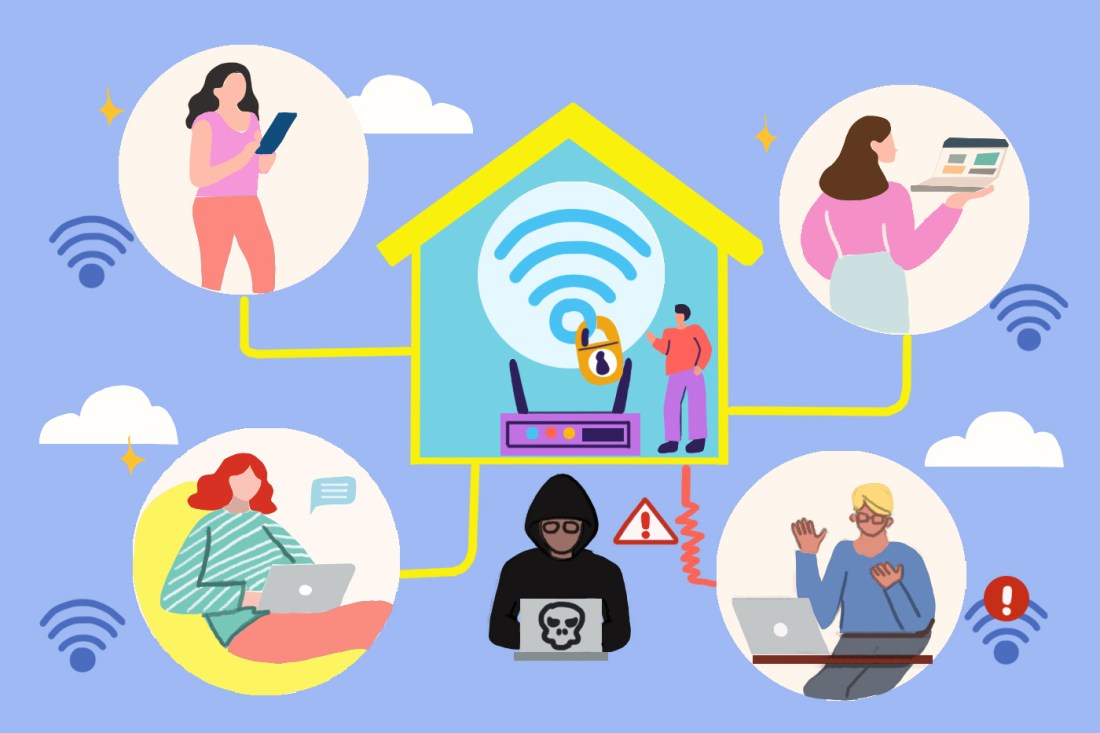
Wi-Fi networks are often entry points for attackers. Using strong encryption (WPA3), changing default credentials, segmenting networks, and monitoring connected devices are critical steps in maintaining network security.
Implementing these measures reduces the risk of unauthorized access and protects both personal and organizational data.
Practicing Safe Social Media and Online Habits
Social media and online platforms often expose personal information. Adjusting privacy settings, limiting oversharing, and being cautious with third-party apps help protect against identity theft, social engineering, and data collection.
Developing the habit of reviewing account permissions and regularly auditing digital footprints enhances privacy and reduces the risk of exploitation.
Staying Informed and Educated
Cyber threats evolve continuously. Staying informed about the latest attack methods, security tools, and best practices empowers users to adapt their habits effectively.
Engaging in cybersecurity training, subscribing to trusted security resources, and sharing knowledge with peers fosters a culture of awareness and resilience.

Conclusion
Adopting essential cyber safety habits for 2025 requires consistent attention, proactive behavior, and informed decision-making. From strong passwords and multi-factor authentication to secure networks, data backups, and safe online practices, each habit contributes to overall digital resilience.
By integrating these practices into daily routines, individuals can significantly reduce the likelihood of cyber incidents, protect personal and professional data, and navigate the digital world with confidence.

Leave a Reply