
How to Protect Your Personal Data
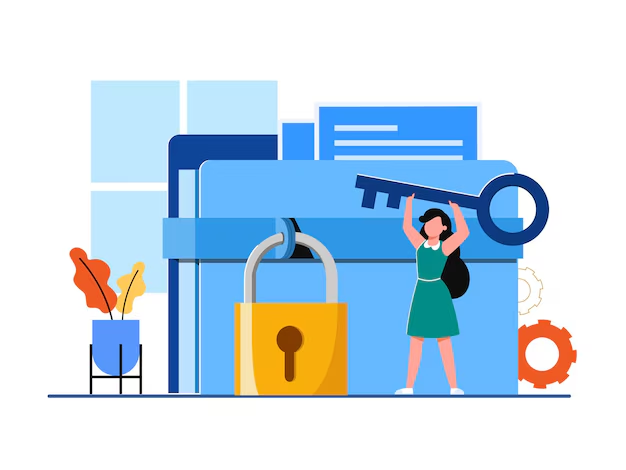
In today’s digital world, personal data is constantly at risk – from social media activity to online purchases, cloud storage, and mobile devices. Protecting sensitive information is no longer optional; it’s essential for maintaining privacy and preventing identity theft.
While cybersecurity might sound complex, practical and consistent habits can significantly reduce the likelihood of personal data being misused. This article explores actionable steps to safeguard your information across devices and platforms.
Understand What Data You Share
The first step in protecting personal information is awareness. Identify what types of data you regularly share online, such as email addresses, phone numbers, payment information, or location data.
Limiting unnecessary sharing reduces the opportunities for attackers to exploit your information. Regularly audit your social media accounts and app permissions to ensure only essential data is visible.

Use Strong Authentication Methods
Passwords alone are often insufficient to protect your accounts. Use complex, unique passwords for every service and combine them with multi-factor authentication when available.
Two-factor authentication (2FA) or authentication apps add an extra layer of protection, making it harder for unauthorized users to gain access even if a password is compromised.
Keep Your Devices and Software Updated
Outdated devices and software contain security vulnerabilities that hackers exploit. Regularly update your operating systems, apps, and antivirus software to patch known issues.
Enable automatic updates when possible to ensure you are always protected without needing to manually monitor each application.

Be Mindful of Public Wi-Fi
Public Wi-Fi networks are convenient but often unsecured. Using them for banking, shopping, or transmitting sensitive data can put your information at risk.
If you must use public networks, consider a virtual private network (VPN) to encrypt your connections and protect your data from potential eavesdroppers.
Secure Your Email and Communication
Email accounts are a primary target for cybercriminals. Protect them with strong passwords and 2FA. Avoid clicking on suspicious links or downloading unknown attachments.
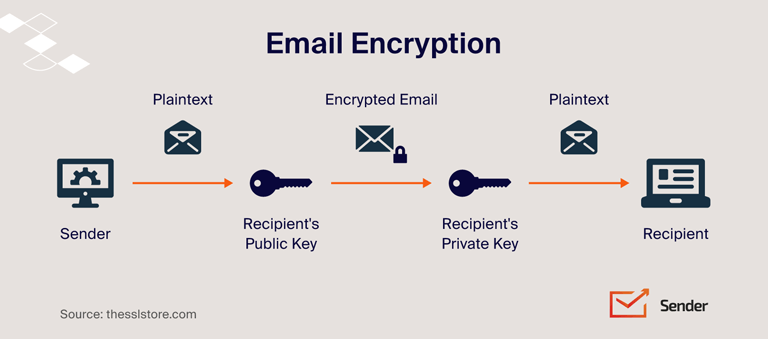
For sensitive communication, consider encrypted messaging apps to prevent interception and unauthorized access.
Backup Important Information
Losing data due to device failure, malware, or accidental deletion can be catastrophic. Maintain secure backups of critical files in encrypted cloud storage or external drives.
Regular backups ensure that even in the event of data loss, your personal information remains recoverable.
Monitor Your Digital Footprint
Stay vigilant about your online presence. Search for your name and email periodically to check for unauthorized mentions or accounts. Be aware of phishing campaigns or scams that attempt to steal personal data.
Awareness and proactive monitoring allow you to respond quickly before minor issues escalate.
Conclusion
Protecting personal data is a continuous process that involves awareness, proper security practices, and cautious online behavior. By implementing these strategies, you can significantly reduce your risk of identity theft, fraud, and privacy violations.
Maintaining privacy online is achievable with consistent, informed habits. Simple steps like managing shared data, securing accounts, updating devices, and monitoring activity form a robust defense against digital threats.

Leave a Reply